This exhibition aims to explore the IAC Congress theme, Inheritance and Innovation, reflecting on how inherited techniques from the past can engage in dialogue with contemporary tools and technologies, including those associated with artificial intelligence. Artists were invited to develop this theme in a relevant, innovative, and impactful way, considering the materials used, working processes, cultural contexts, and future-oriented perspectives that shape their artistic practice.
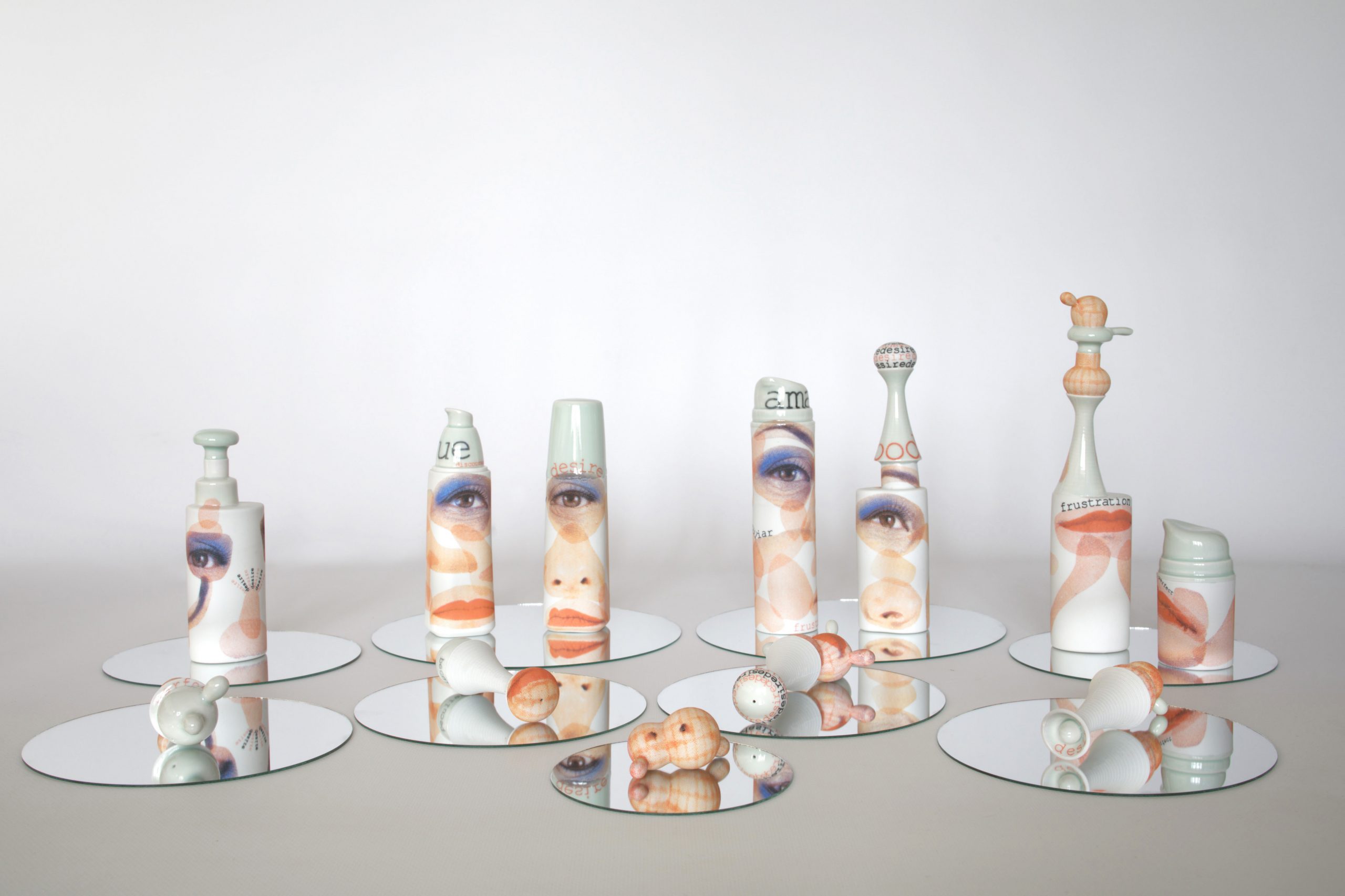
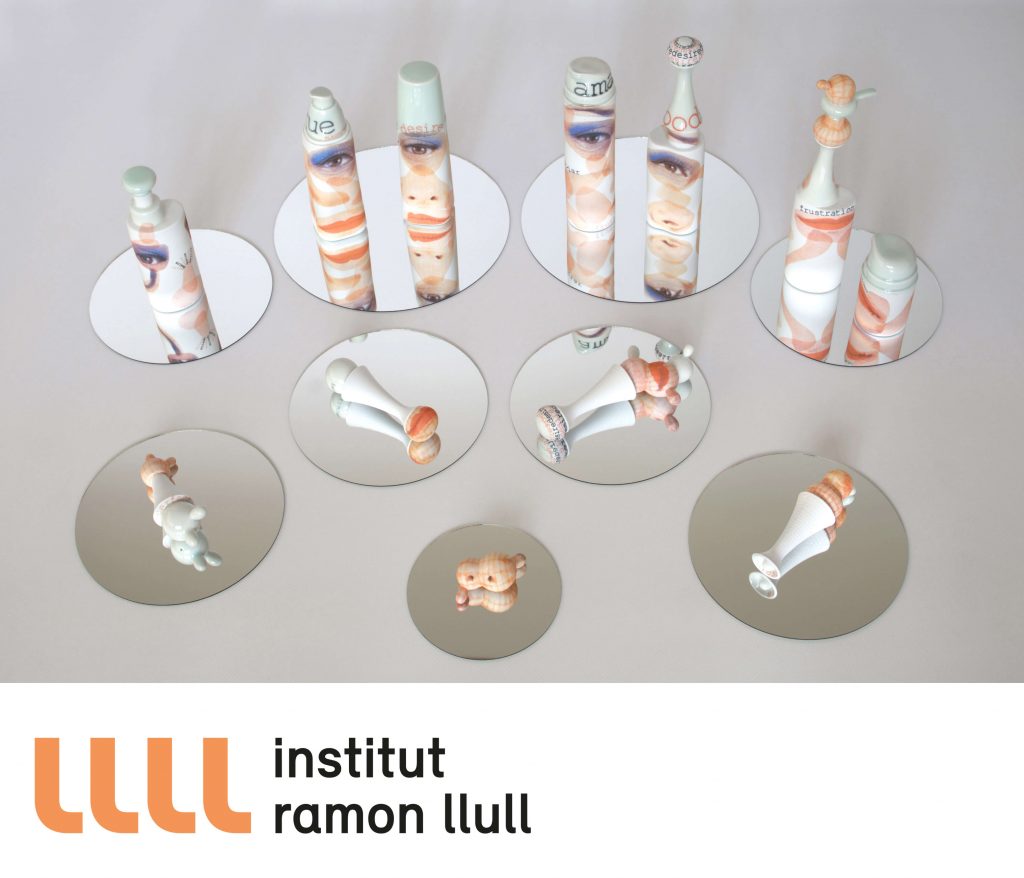
The call for proposals was open exclusively to members of the International Academy of Ceramics (IAC). From all submitted proposals, approximately seventy works were selected, including Celadon Body Poetry. This piece is part of the Body Poetry series, which explores the concept of beauty throughout history and across different cultures, examining how ideals of appearance and perfection are constructed, transmitted, and redefined over time. From a female perspective, and using the self-portrait as the main expressive resource, I seek to express the desire to meet imposed expectations and the frustration of never being able to fully satisfy them.
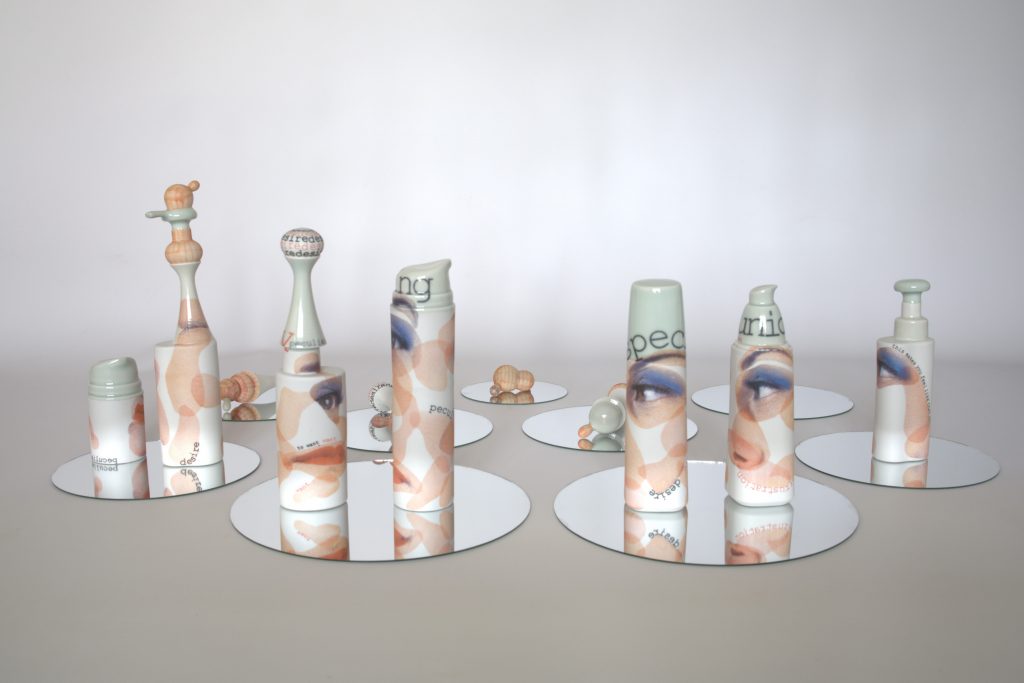
Ceramics, one of the oldest artistic forms of humanity, represents the concept of inheritance. It preserves the traces of ancient civilizations, traditional techniques, and cultural identities that have endured for centuries. Working with this medium allows me to pay tribute to this historical continuity while simultaneously establishing a dialogue with the present. The incorporation of mirrored plexiglass introduces an ephemeral dimension to the installation, generating shifting visual collages that engage the audience and incorporate their presence into the work. The reflections of objects and people moving through the space produce variable perspectives and invite viewers to reconsider how we perceive ourselves and others.
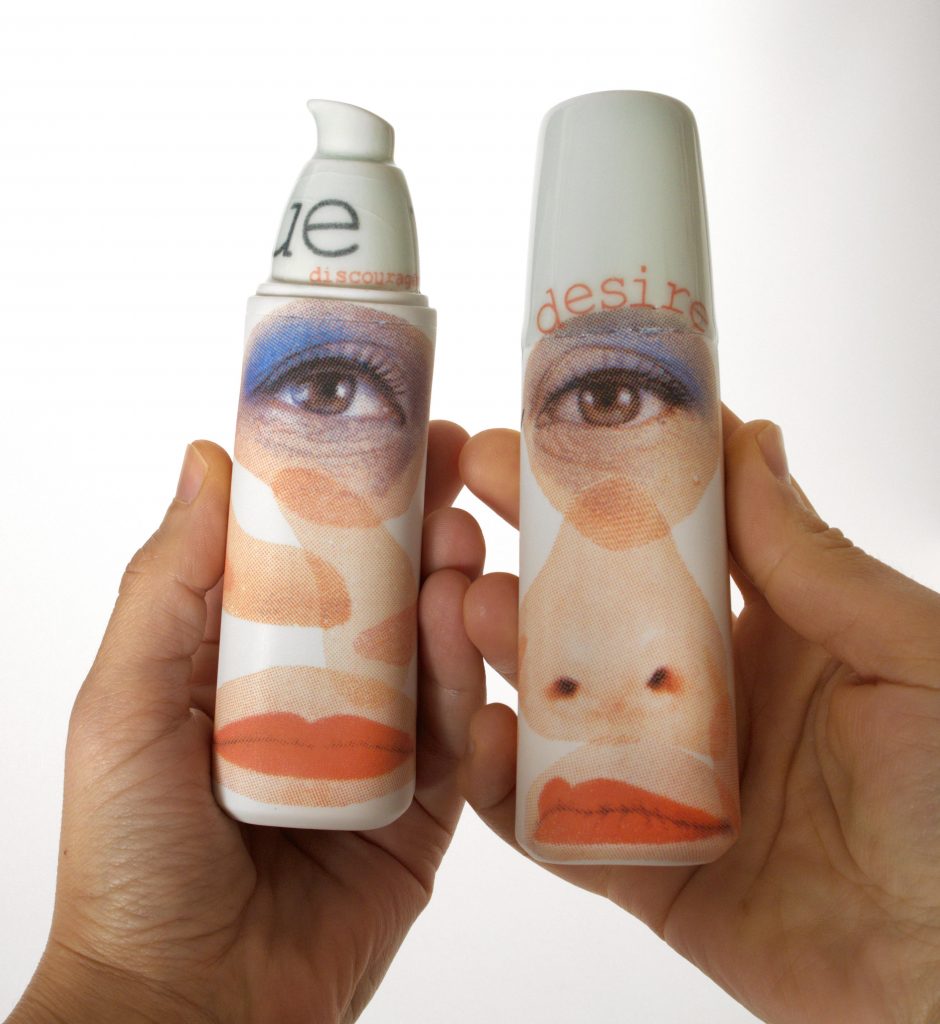
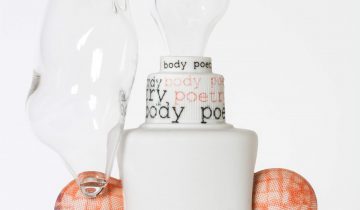
To construct this installation, I have reproduced cosmetic containers and perfume caps. The poetic treatment of the images evokes a surgical process: the photographs are fragmented and subsequently recomposed on the surfaces of the pieces. The way these images adapt to ceramic volumes functions as a metaphor for the mechanisms through which we adjust our bodies and appearances to contemporary aesthetic standards.
For this work, I have combined objects related to the universal desire to enhance and preserve beauty, collected both in Europe and Asia. My research into aesthetic canons across both continents has revealed more similarities than differences. The prevailing desire is to attain what has not been naturally granted to us, an aspiration that is rarely associated with health or well-being.
All elements of the installation were produced during my artistic residency at the Wang’ou Taoxichuan Art Center in Longquan. Working immersed in Longquan’s rich ceramic tradition was both a demanding and enriching experience. Experimentation with new materials, such as Dehua porcelain and celadon glazes, as well as exchanges with local artisans and international artists, expanded my understanding of cultural heritage, which I came to see not as a static legacy but as a living process of exchange and transformation.
The innovation of this project lies precisely in this dialogue between cultures and practices. By combining materials, techniques, and meanings from diverse contexts, I aim to highlight our collective capacity to evolve through collaboration and mutual learning. This cultural and creative synergy becomes a metaphor for a more inclusive understanding of beauty and identity, one that celebrates diversity, transformation, and cooperation.
Body Poetry celebrates the body and physical appearance as a living archive of transformations. Its movements, marks, and changes form a unique, unrepeatable, and profoundly human visual poetry. Through ceramics, I seek to establish a link between the permanence of cultural heritage and the ever-changing nature of contemporary life.
Ramon Llull Institute has sponsored the participation.
The exhibition Inheritance and Innovation will be on view from June 28 to August 27 at the Taoxixuan Art Museum.
 No hay productos en el carrito.